“I don’t wish the culmination of three centuries of physics to be a weapon of mass destruction.” – Isidor Rabi Okay, maybe AI isn’t a weapon of mass destruction (I hope), but the sentiment does apply.
Computex, which stands for Computer Expo, is a trade show for computer equipment. It has been a thing in Taiwan since the 80’s, but it really blew up in the 2000’s due to the popularity of DIY PCs and the development of the hardware industry in Taiwan and China. As a self-certified computer nerd, this has always been an event I followed remotely, gushing over photos (and eventually, videos) of the show floor with amazing PC builds and equipment. This is the first year I get to attend in person, and my feelings are actually a bit mixed.
The AI craze is the theme of this year’s expo. EVERYTHING has AI attached to it. CPUs, GPUs, PSUs, fans, coolers—hell, even cable connectors and pipes have AI stickers all over them. Server techs are obviously front and center at the show, but even the PC space is infested with the AI labels, some for home servers and others just for the hell of it.
My view on AI, as a general concept, is similar to my view on other ‘tech crazes’ over the years, like blockchain and VR. There are use cases where it’s very useful, but it’s not the solution to all things. I do believe machine learning is valuable in analysis and pattern identification, generative AI is useful in prototyping and proof of concept, and even general-level assistance. I do not believe it, given today’s understanding of AI, can replace human-level intelligence, let alone actual human interaction.
I have had a PC since the early 1990’s. Someone (I honestly don’t remember who), somehow, managed to convince my parents to get an IBM PC compatible 386 processor with 4 MB of RAM, 40 MB of HDD, a Sound Blaster card, VGA display, and a mouse! I learned how to tweak boot-up sequences to free up RAM, edit configuration files, and other tricks to play PC games. In some cases, I would even create my own boot disks to handle some heavier games. I am fortunate that I discovered my hobby at such a young age, and my career in tech today can be directly traced back to those days. It is my hobby, it’s my career, it’s an important part of my persona.
In the last five years or so, specifically since the launch of OpenAI, generative AI has become the hottest topic in computing, thankfully killing off the buzz in blockchain (but unfortunately, not Bitcoin). However, similar to the Bitcoin craze (let’s face it, the craze is about the money, never about the technology), this has major negative impacts on my hobby, in some cases, even worse than Bitcoin.
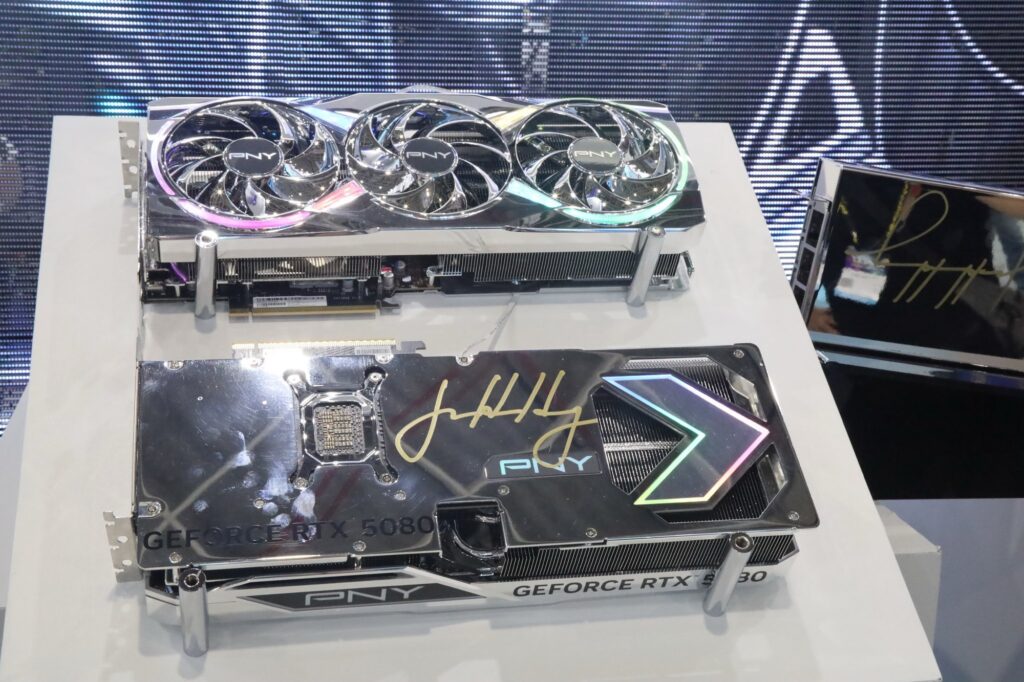
For better or for worse, PC gaming is driven by graphics, and graphic improvement is driven by graphic cards, specifically 3D graphics cards. 3D graphic cards are driven by high-speed mathematical calculations and parallel computing which are also good for Bitcoin mining. Nvidia is a pioneer in DLSS, a method of using machine learning to enhance graphics, and that function is a great fit into the generative AI use cases. So, the confluence of those functions makes video cards—which were originally built for gaming—a critical part of the last TWO popular tech crazes, which translates into high price and low availability for actual tech enthusiasts like me. The worst thing about the recent development in generative AI is that it somehow transcended beyond technology and is becoming a topic of geopolitics, environments and even ethics. Jensen Huang is flying between Beijing and DC, paying millions of dollars in bribes to keep this thing going and a bunch of questionable agents are pushing questionable agendas based on questionable assumptions about generative AI.
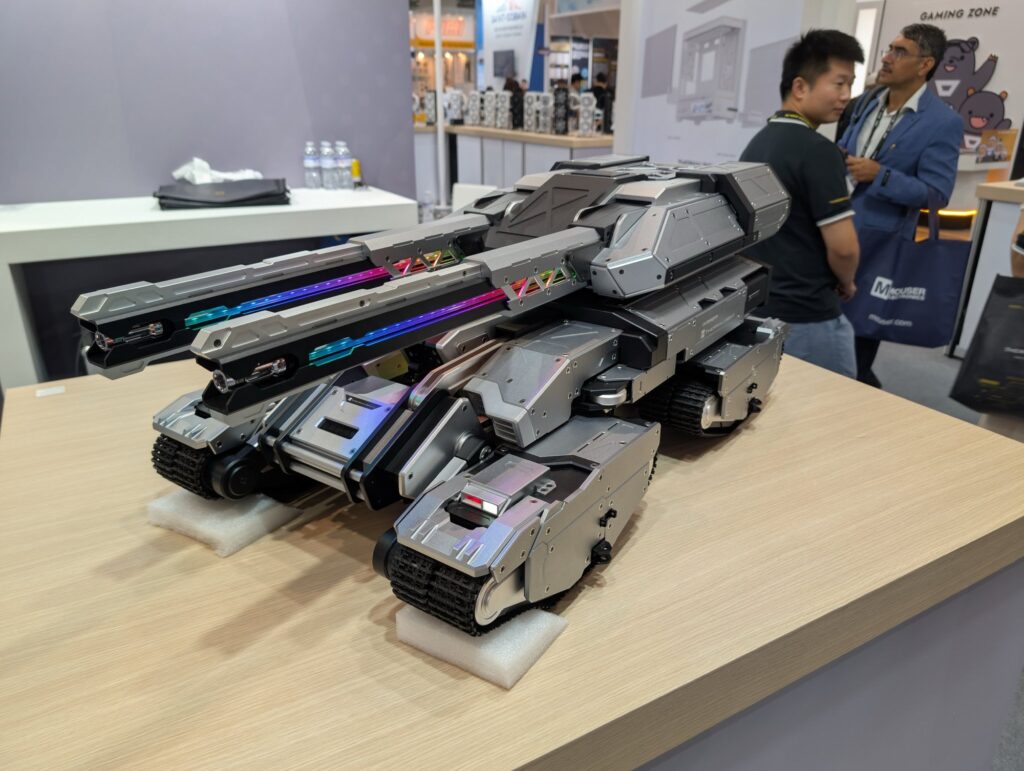
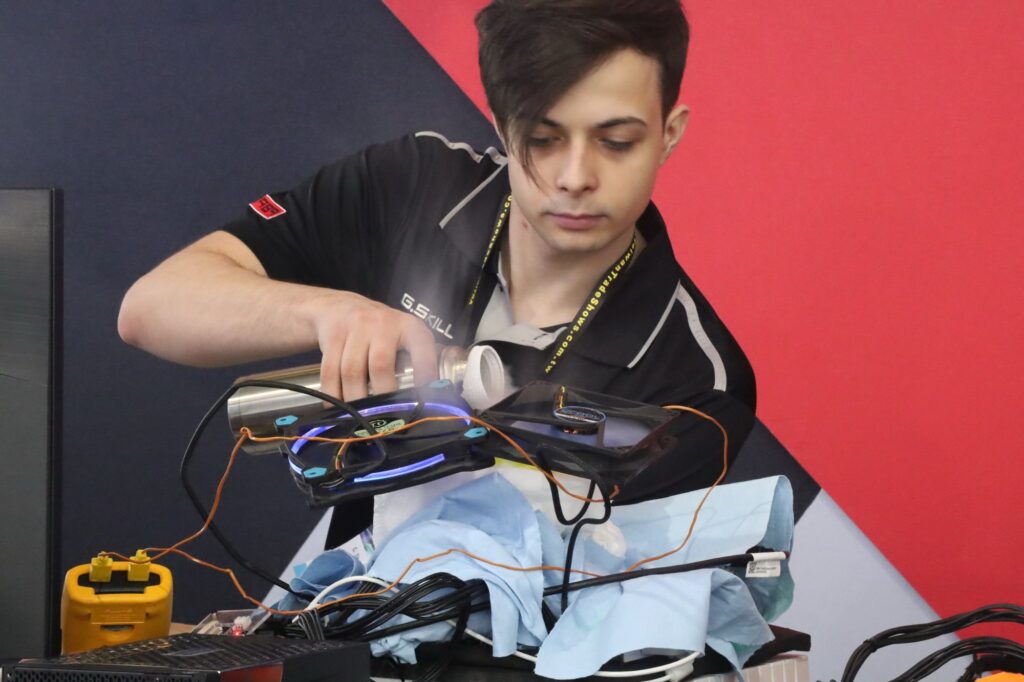
Selfishly, I view this hobby as mine. I don’t want my hobby to become a political tool, I don’t want my hobby to become a social issue, and I don’t want my hobby to destroy the environment. It’s sad for me to see all of those things happening. I miss the days when computers were considered niche, and for a little while, it seemed like the cloudification of computing and the popularization of mobile devices would take PC back to where it was before—a niche hobby for nerds. There was a strange sense of purity in that, and it’s all gone now. Of course, there were still many, many cool products on display at Computex (I took hundreds of photos), but it now feels like decoration on top of a dark AI machine instead of something I loved since my childhood.